Sexual Violence
Sexual violence refers to acts of a sexual nature committed through coercion, force, threat, or by exploiting conditions of coercion. It includes rape, sexual slavery, forced marriage, enforced sterilisation, forced pregnancy, forced nudity, grooming and various other acts.
We understand sexual violence as both an individual and systemic harm, used to dominate, control, or punish on the basis of gender, sexuality, or identity. It affects women, men, and persons of diverse sexual orientations and gender identities, often intersecting with race, ethnicity, class, age, disability, or displacement.
Under the Rome Statute, sexual violence may amount to a war crime, a crime against humanity, or an act of genocide. Yet justice has been uneven: jurisprudence remains inconsistent, and survivors’ participation and reparations remain underdeveloped.
Women’s Initiatives for Gender Justice works to close these gaps by advancing survivor-informed, intersectional, and gender-sensitive approaches to justice, recognising survivors not only as witnesses, but as rights-holders, experts, and agents of change.
Why This Matters
Survivors of sexual violence continue to face stigma, exclusion, and barriers to justice. Recognising their agency, ensuring safety, and providing comprehensive reparations are essential to healing and dignity.
The International Criminal Court’s recognition of sexual violence as a core international crime was groundbreaking, but application is lagging. Strengthening understanding, participation, and accountability ensures the Court delivers meaningful justice.
Addressing sexual violence dismantles structural discrimination, advances gender equality, and builds more inclusive and legitimate justice systems.
What we do on Sexual Violence
Legal Research & Analysis
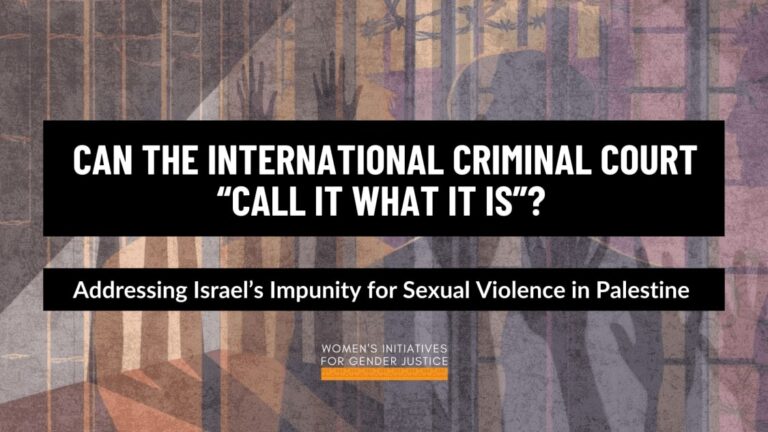
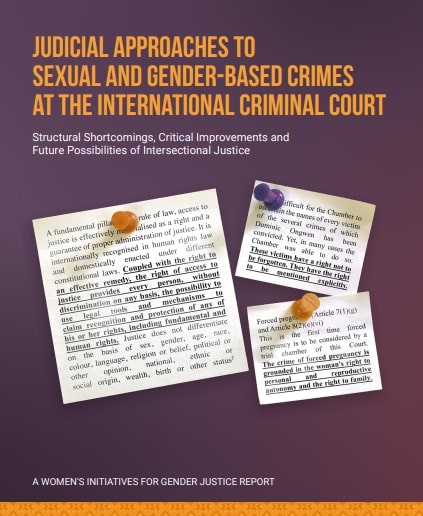
Developed and led by Women’s Initiatives for Gender Justice through the Call It What It Is campaign, The Hague Principles on Sexual Violence provide a survivor-centred interpretive framework for understanding sexual violence under international law.
They define core concepts such as coercion, consent, and contextual factors in line with survivors’ lived realities.
We continue to expand and apply this framework across jurisdictions through amicus briefs, legal analyses, and guides, including submissions to the International Criminal Court, United Nations mechanisms, and national courts.
The Hague Principles on Sexual Violence
Advocacy & campaigns
Grounded in our legal research and long-standing engagement with international justice institutions, WIGJ advances advocacy and campaigns that promote survivor-centred, gender-competent approaches to accountability.
Our advocacy focuses on strengthening the consistent application of international standards, including The Hague Principles on Sexual Violence, and on improving survivor participation, protection, and access to reparations across the Rome Statute system.
We pursue these objectives through strategic legal and policy interventions, including submissions before the International Criminal Court, expert convenings, and collaboration with practitioners and institutions.
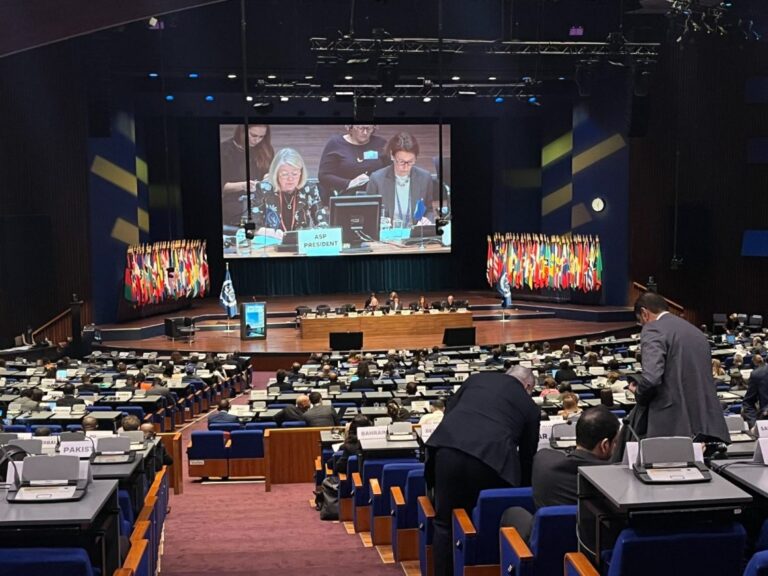
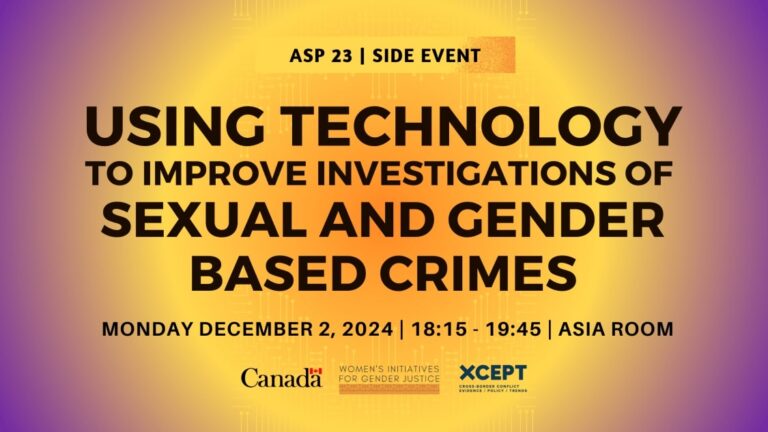
Recent engagements include Rule 103(1) observations in the Al Hassan reparations proceedings addressing gendered, intersectional, and community-wide harm, and the co-organisation of an expert roundtable on the use of technology to strengthen investigations of sexual and gender-based crimes.

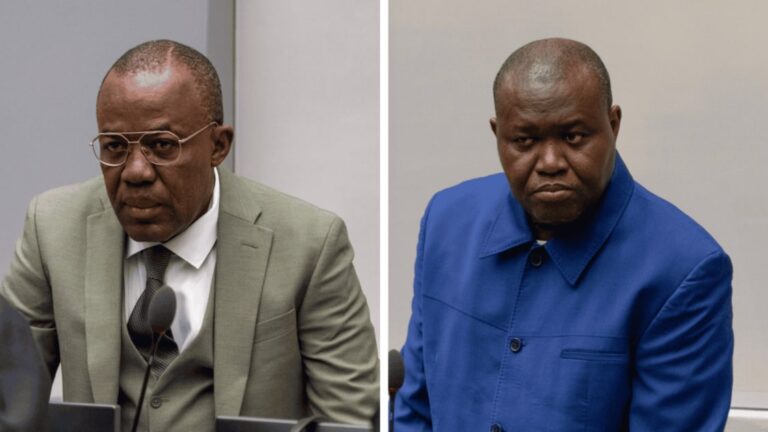
Al Hassan Reparations Proceedings | Amicus Curiae Submission
Solidarity & Network-Building
We partner with feminist legal practitioners, survivor activists and organisations in contexts including Colombia, Ukraine, Mali, Afghanistan, and Palestine.
Our partnerships prioritise community and survivor expertise, which inform our advocacy messages, research, and legal submissions and reflect their visions of justice.
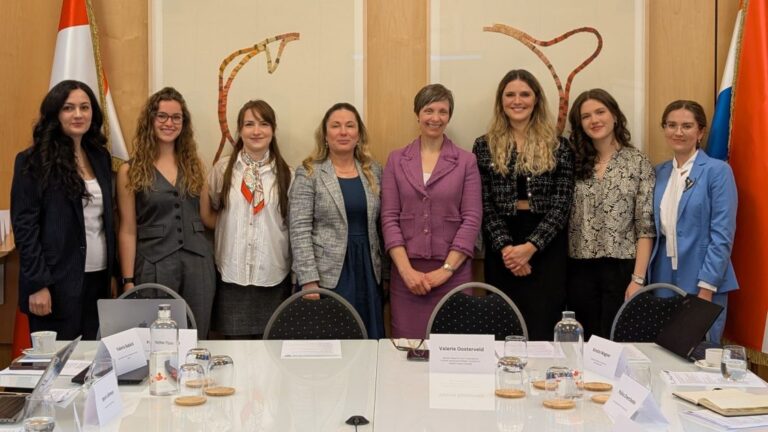
Expert Roundtable: Using Technology to Improve Investigations of Sexual and Gender-based Crimes
Impact
We facilitated the Call It What It Is campaign, leading to the development of The Hague Principles on Sexual Violence, now widely recognised as a leading interpretive framework for understanding the full range of sexual violence under international law./
We have contributed to the development of International Criminal Court jurisprudence through amicus briefs and legal submissions that integrate gender-competent and intersectional analysis.re
We co-organise international convenings, including the Gender and International Criminal Law Conference (2024 and 2025) and the Reproductive Violence Conference (2024), creating space for shared learning, practitioner exchange, and survivor-informed perspectives.