The Hague Principles on Sexual Violence
International criminal law recognises sexual violence as a serious international crime, yet its core legal instruments do not define what makes violence “sexual” or provide clear guidance on how acts of a sexual nature should be identified and assessed.
This gap has contributed to under-recognition, inconsistent charging, and the exclusion of many survivor experiences from accountability processes.
The Hague Principles on Sexual Violence respond to this gap by providing survivor-informed, practice-oriented guidance on how sexual violence should be understood, identified, and addressed in international criminal law. They clarify when an act may be considered sexual, when it amounts to sexual violence, and how context, coercion, power relations, and lived experience must inform legal analysis.
The Principles are grounded in extensive consultation with survivors of sexual violence, as well as civil society organisations, legal practitioners, academics, and policymakers from diverse regions and cultural contexts. They reflect the reality that sexual violence takes many forms, including acts that may not fit narrow or stereotypical understandings of sexual harm, but are experienced as sexual by survivors and function as such within systems of control, humiliation, and domination.
Designed to inform all practitioners engaged in addressing sexual violence crimes, the Hague Principles support more inclusive, accurate, and survivor-centred approaches to investigation, prosecution, adjudication, and reparations.
Why This Matters
When sexual violence is narrowly defined or poorly understood, survivors’ experiences are often minimised, mischaracterised, or excluded from justice processes. Survivor-informed guidance supports recognition, validation, and meaningful participation.
Clear guidance on what makes violence sexual strengthens the application of the Rome Statute and other international legal frameworks, supporting more consistent charging, evidentiary analysis, and accountability for sexual violence crimes.
Addressing definitional gaps helps justice systems respond to the full range of sexual harm, strengthening their legitimacy, credibility, and responsiveness to those most affected.
What we do on The Hague Principles on Sexual Violence
Legal Research & Analysis
We develop and disseminate legal analysis to support the interpretation and application of the Hague Principles across international and domestic accountability contexts. This includes guidance for practitioners on identifying acts of a sexual nature, understanding coercion and consent, and recognising culturally and contextually specific forms of sexual harm.
The Hague Principles on Sexual Violence
Advocacy & Campaigns
We promote the use of the Hague Principles among international justice actors, states, and civil society, and support their integration into legal practice, policy development, and training. Our advocacy has focused on ensuring that survivor-informed understandings of sexual violence inform international criminal law processes, including at the International Criminal Court and within the Assembly of States Parties.
We convene and participate in strategic dialogues, side events, and expert exchanges to support implementation of the Principles at international and national levels.
Blogpost: Calling it what it is: It is time to define “sexual violence”
Solidarity & Network-Building
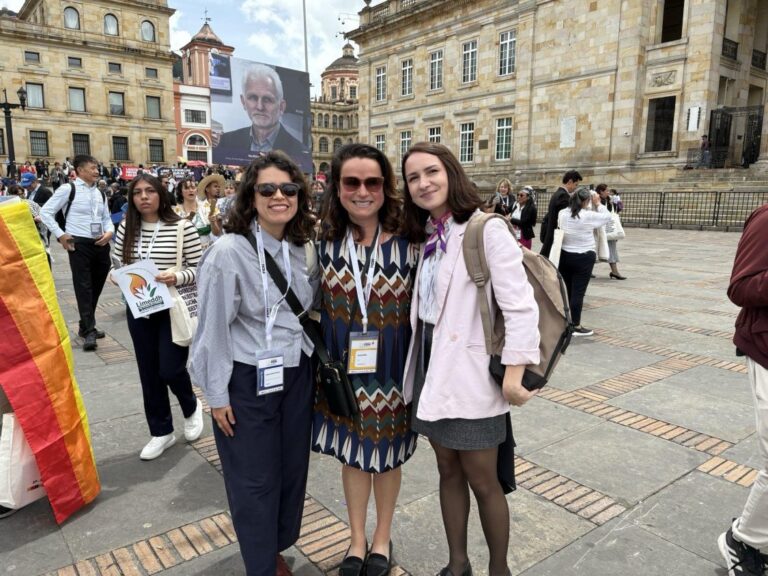
Women’s Initiatives for Gender Justice acts as a convener and connector for work on sexual violence in international criminal law. Through the Call It What It Is campaign, we brought together survivors, civil society organisations, legal practitioners, academics, and policymakers to collectively shape the Hague Principles.
Our approach is grounded in power-sharing and shared ownership. We support the use of the Principles by partners across regions and contexts, while remaining attentive to positionality, access, and the need for survivor-led knowledge to shape how sexual violence is understood and addressed in law.
for more on the hague principles on Sexual Violence, visit our dedicated microsite.