
Reproductive Violence as a Strategy of Genocide | Gender Justice In International Criminal Law Conference 2025
-
Reproductive violence can constitute evidence of genocidal intent, including through biological destruction, prevention of births, and infliction of conditions of life calculated to destroy a group. Acts such as forced pregnancy, sterilisation, denial of reproductive healthcare, and destruction of maternity infrastructure are not incidental but can be strategically deployed to erase targeted groups.
-
Existing genocide jurisprudence remains largely gender-blind, requiring feminist legal interpretation to fully capture how genocidal intent manifests beyond mass killing.
-
Survivor-centred, intersectional documentation, particularly through health-sector evidence, is essential to establishing intent, scale, and systematicity. Accountability must extend beyond courts to include reparations, political advocacy, protection of civic space, and resistance to normalization of reproductive harm.
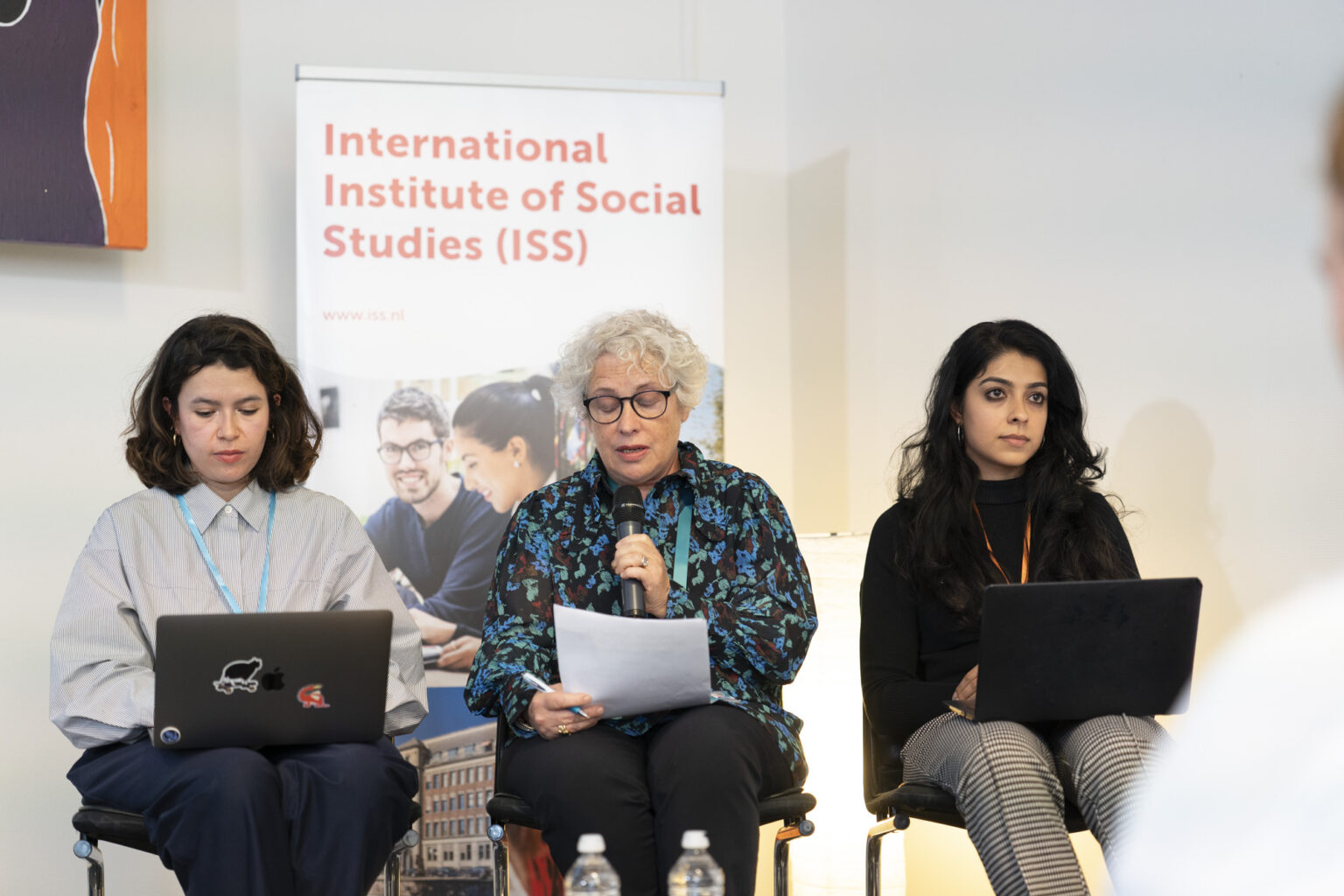
The Hague, September 29, 2025 – This panel examined reproductive violence as a deliberate strategy of genocide, arguing that attacks on reproductive autonomy are not merely consequences of conflict but can signal intent to destroy a group as such.
Moderated by Juliana Laguna Trujillo, Legal and Advocacy Officer at Women’s Initiatives for Gender Justice, the discussion situated reproductive violence within international criminal law’s evolving understanding of genocidal intent, drawing on feminist theory, jurisprudence, and survivor-led documentation.
Ashita Alag, Legal Advisor at the Global Justice Center, outlined how gender analysis reveals the symbolic and strategic role of reproductive capacity in genocide. Drawing on genocide jurisprudence, including interpretations of biological destruction and the concept of “substantial part” of a group, she argued that targeting women and girls of reproductive age can demonstrate intent to destroy a group’s capacity to regenerate. Using the Rohingya context, she showed how systematic sexual and reproductive violence including public rape, genital injury, forced pregnancy, and stigma, can eliminate both biological and social conditions necessary for group survival.
Payal Shah, Director of Research, Legal and Advocacy at Physicians for Human Rights, presented findings from Physicians for Human Rights’ documentation of conflict-related sexual and reproductive violence in Ethiopia, particularly in Tigray. Using mixed-method medical-legal analysis, she demonstrated patterns of forced pregnancy, intentional HIV transmission, reproductive organ injury, captivity, and explicit perpetrator statements aimed at preventing births. The evidence supported findings of war crimes and crimes against humanity, with strong indicators of genocidal intent. Shah emphasized the importance of health-sector data, ethical documentation, and survivor-centred methodologies in overcoming access and protection barriers.
Wendy Harcourt, Professor of Gender, Diversity and Sustainable Development at ISS, situated these legal and evidentiary efforts within broader struggles over civic space, democracy, and public discourse, stressing that accountability also depends on sustaining feminist knowledge in classrooms, communities, and political arenas. The panel concluded that recognising reproductive violence as genocidal is essential not only for legal accountability but also for political resistance, survivor dignity, and preventing the normalization of group destruction.
“Destruction can be biological as well as physical, and genocide jurisprudence allows us to see that.” — Ashita Alag


