
Making the Case: Gender Analysis in Accountability | Gender Justice In International Criminal Law Conference 2025
-
Gender analysis fundamentally shapes accountability outcomes by influencing how crimes are investigated, charged, and understood, beyond sexual violence alone. Applying a gender lens reveals motives, patterns, and impacts of crimes that would otherwise remain invisible, including reproductive violence, enforced disappearance, and long-term community harm.
-
Survivor- and victim-centred approaches strengthen evidence collection, legal reasoning, and reparations, while challenging stigma and exclusion within justice processes. Practical tools, such as gender checklists, disaggregated data, and dedicated investigative roles, are essential to integrating gender analysis consistently from the outset.
-
The Women, Peace and Security (WPS) framework offers both opportunities and limitations for advancing gender accountability, particularly in politicized and selective enforcement contexts.
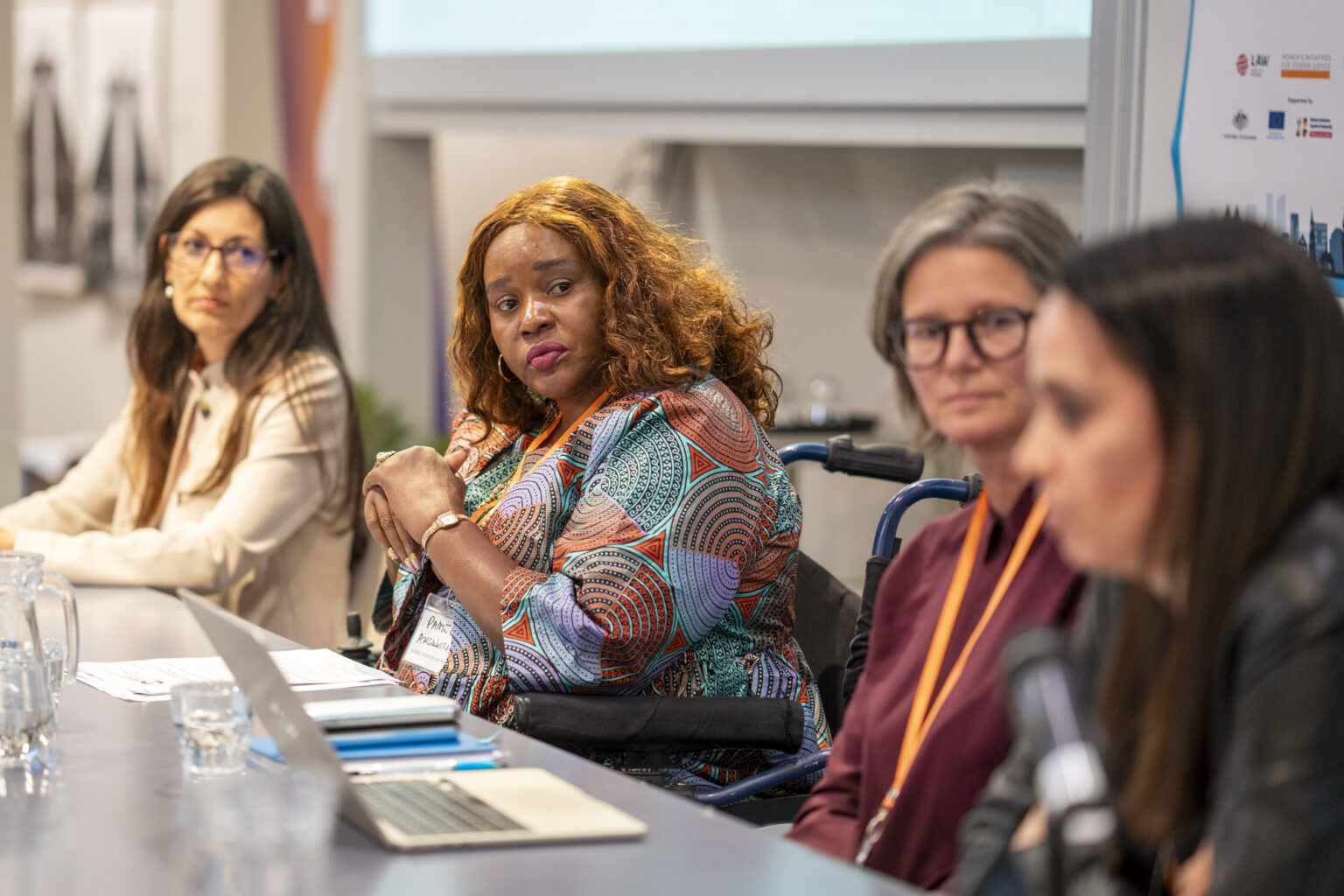
The Hague, September 29, 2025 – This panel explored why gender analysis is integral to accountability processes and how it concretely shapes investigations, prosecutions, and justice outcomes in international criminal law (ICL). Moderated by Lina Biscaia, Senior Human Rights Officer at the United Nations, the discussion emphasized moving beyond abstract commitments to gender toward operational practices grounded in survivor experience and local context. Panellists demonstrated how gender analysis informs understanding of the motives behind crimes, the methods used, and their differentiated impacts. Drawing on work in Uganda, Syria, and investigations into ISIL crimes, speakers showed how gender analysis alters who is recognized as a victim or witness, what evidence is sought, and how harm is legally characterized.
Pamela Angwech, Founder and Executive Director of Gulu Women’s Economic Development and Globalization Organization, highlighted how feminist survivor-led advocacy in northern Uganda influenced ICC jurisprudence, including recognition of forced pregnancy and separate reparations for children born of rape. Najwa Nabti, Legal Officer and Gender and Victim/Survivor Centred Approach expert at IIIM-Syria illustrated how the IIIM’s application of a structured gender analysis transformed the evidentiary narrative of Syria’s detention system beyond the Caesar photographs, making visible sexual violence, enforced disappearance, psychological harm, and intersectional targeting. Bridget Prince, investigator and gender advisor, focused on investigative practice, underscoring that without early and dedicated attention, women’s experiences and testimony are systematically excluded. She demonstrated how intentional sourcing, internal tracking, and team-wide accountability can materially change investigative outcomes while also exposing persistent barriers linked to stigma, security, and male-dominated documentation practices.
Professor Catherine O’Rourke of Durham Law School situated these practices within the Women, Peace and Security framework, tracing its historical links to ICL while critically assessing its politicization, selectivity, and uneven implementation. While cautioning against over-reliance on the UN Security Council, she identified spaces where WPS-generated documentation, monitoring, and civil society engagement continue to influence accountability efforts. The panel concluded that gender analysis is not supplementary but foundational to credible accountability, requiring sustained institutional commitment, survivor leadership, and resistance to siloed or securitized approaches.
“Without integrating gender from the beginning, women’s experiences become an afterthought.” — Bridget Prince


